

Here are some tips to help you choose a very useful cold storage design for the business you are running.
Selection of Location for Cold Storage
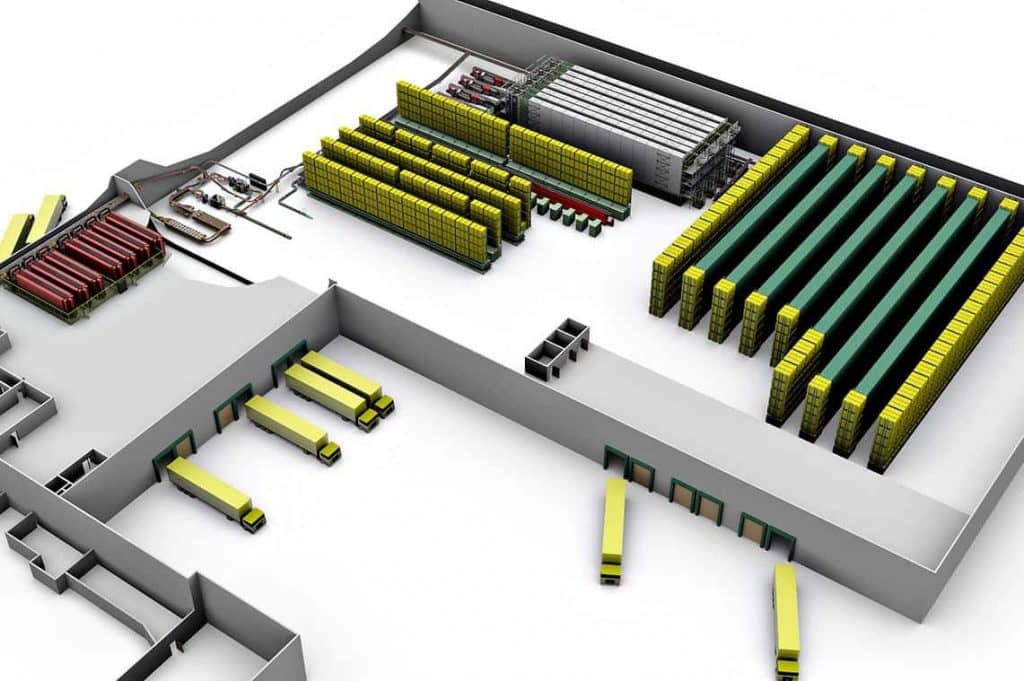
Cold storage according to the nature of use; can be divided into distribution, retail and production cold rooms. A production cold room is built in the area where the supply of goods is intense, transportation is convenient, and close to the market. Cold storage is better to be built in the shade, which does not receive sunlight and often receives hot winds. A small cold room should be built inside the building. The cold storage should have good drainage conditions around it. The groundwater level should be below. It is better if the interlayer is at the bottom and well ventilated because dryness is important for cold storage. Before construction, the cold room should be installed to have the appropriate three-phase electrical capacity according to the machine power. If the cold room uses the water collection method, the water pipes should be laid and the cooling tower should also be installed.
Confirmation of Cold Storage Capacity and Temperature
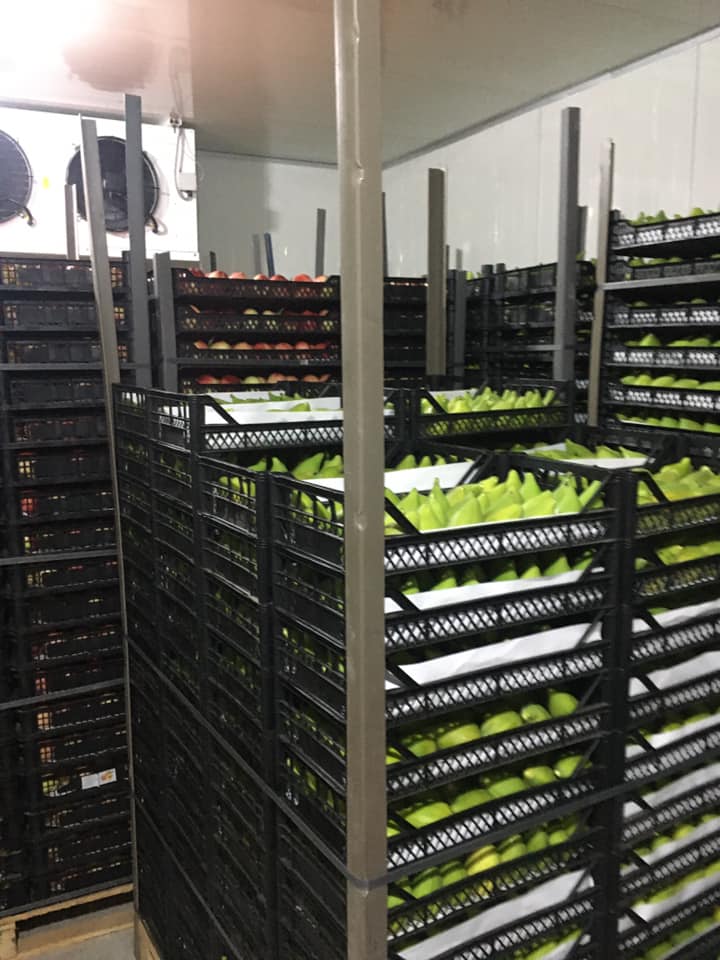
The cold room size should be determined by the highest amount of storage throughout the year. Capacity is calculated based on the volume of storage items used, the row aisle, the space between the ceiling and the stack and the wall, and the packaging space. After determining the cold storage capacity, we must determine the cold room length and height. Cold room design should also include the necessary auxiliary spaces, such as a working room, packing room, tool room and loading and unloading room. The cold storage temperature and relative humidity should be set according to the products stored, to ensure food quality.
Selection of insulation material
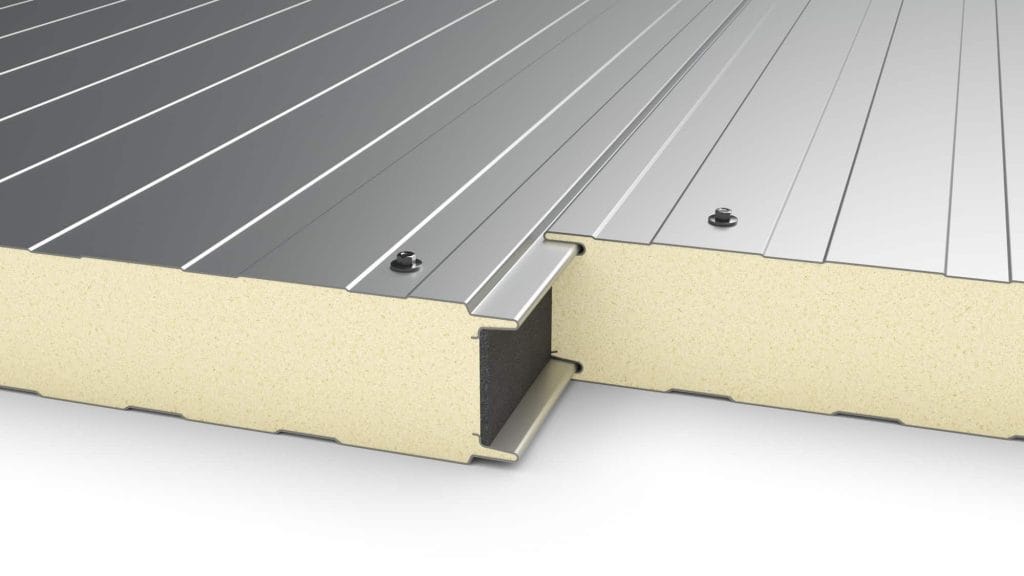
The selection of cold storage heat preservation material should adjust the measures according to local conditions. The material should not only have good thermal insulation performance but also be economical and practical. There are several types of cold storage insulation material: First, it can be processed into fixed shapes and properties with a fixed length, width, and thickness. Different cold room panels are available for different mounting needs.
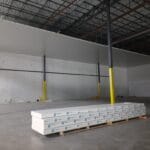
High and medium-temperature cold storage usually chooses an 8 cm thick panel. Low-temperature cold storage and freezer cold storage choose a 12cm or 15cm thick cold room panel. For blast, the freezer can use a 15 to 20 cm thickness cold room panel. The heat insulation material contains PU and XPS. PU offers very good heat insulation but costs more. XPS insulates less well, but its cost is low. Modern construction has moved to prefabricated cold storage, replacing the older method of building a moisture-proof layer and an insulating layer on site. Its advantages are convenient and fast installation.
Refrigeration System Selection
The choice of cold storage cooling system is mainly the choice of refrigeration compressor and evaporator. Generally, the small cold room chooses a hermetic compressor because the hermetic compressor has low power and the price is relatively cheap. The medium-sized cold room usually chooses a semi-hermetic compressor. Large size cold room chooses semi-hermetic compressor. High-temperature cold rooms choose fan-type evaporators, which cool quickly but dry out the product more easily. Medium and low-temperature cold storage choose evaporator pipes made of seamless steel tube, which hold the cold well.