

Introduction to Mobile Refrigerated Containers
In today’s fast-paced world, the need for flexible and efficient cold storage solutions has never been greater. Enter the mobile refrigerated container, a versatile and portable cold room system that’s changing the game in temperature-controlled logistics. These mobile cold rooms are essential for businesses that require reliable cooling on the go, from food service providers to pharmaceutical companies.
Looking for a ready-to-use solution? See our 20 ft and 40 ft container cold rooms.
How Mobile Refrigerated Containers Work
Mobile refrigerated containers, also known as reefer containers, are essentially portable cold rooms that can maintain specific temperatures for extended periods. These container cold rooms use a combination of insulation and cooling systems to create a controlled environment. Here’s a brief overview of their components:
- Insulation: High-quality insulation materials line the walls, floor, and ceiling to minimize heat transfer.
- Refrigeration Unit: A powerful cooling system that regulates the internal temperature.
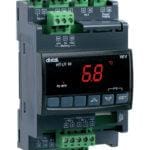
- Temperature Control: Advanced thermostats and monitoring systems ensure precise temperature management.
- Power Source: Can be powered by electricity or diesel generators for remote locations.
Types of Mobile Refrigerated Containers
There are several types of mobile refrigerated containers available to suit various needs:
- Standard Reefer Containers: These are the most common, available in 20ft and 40ft lengths.
- Modular Mobile Containers: These can be customized and assembled on-site for specific requirements.
- Blast Freezers: Designed for rapid freezing of products.
- Multi-Temperature Containers: Feature separate compartments for different temperature zones.
- Portable Cold Rooms: Smaller units ideal for events or temporary storage needs.

Our Container Cold Rooms: Mobile Cold Storage in 20 ft and 40 ft
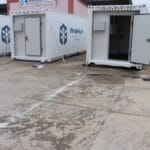
Our container cold rooms are complete cold stores built inside a 20 ft or 40 ft steel shipping container. They arrive as one unit: set the container down, connect the power and it runs.
| Class | Temperature | Typical products |
|---|---|---|
| Cool storage | +8 °C | Fruit, vegetables, flowers |
| Chilled storage | 0 to +4 °C | Fresh meat, fish, dairy |
| Frozen storage | –18 °C | Frozen food |
| Deep freeze | –25 °C | Long-term frozen storage |
| Ultra-low | –45 °C | Shock freezing, special products |
| Size | 20 ft | 40 ft |
|---|---|---|
| External length | 6058 mm | 12192 mm |
| External width | 2438 mm | 2438 mm |
| External height | 2591 mm | 2591 mm, or 2896 mm high-cube |
The internal size depends on the insulation thickness for the temperature class and is given in the quotation. Each unit has:
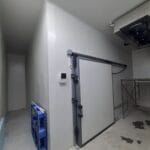
- a white-painted steel container shell
- PUR or PIR sandwich panels on the walls, ceiling and floor
- an insulated hinged door at the container end
- a refrigeration unit and evaporator sized for the temperature class, with the control panel beside the door
- hygienic white panel surfaces and lighting inside
A mobile freezer container is the same unit in the –18 °C or –25 °C class, or the –45 °C class for shock freezing. Several containers can stand side by side to keep products at different temperatures.
Benefits of Using Mobile Refrigerated Containers
The advantages of incorporating mobile refrigerated containers into your operations are numerous:
- Flexibility: Easy to relocate as needed, perfect for seasonal businesses or temporary events.
- Cost-Effective: Lower upfront costs compared to building permanent cold storage facilities.
- Scalability: Add or remove container cold rooms as your business needs change.
- Temperature Control: Maintain precise temperatures for sensitive goods.
- Energy Efficiency: Modern units are designed to minimize power consumption.
- Compliance: Meet stringent food safety and pharmaceutical regulations with ease.
Industries That Rely on Mobile Cold Rooms
Several sectors benefit from the use of mobile refrigerated containers:
- Food and Beverage: For storing perishables during transportation or at outdoor events.
- Pharmaceuticals: Maintaining the cold chain for temperature-sensitive medications.
- Agriculture: Preserving harvested produce before processing or shipping.
- Hospitality: Additional cold storage for hotels, restaurants, and catering services.
- Emergency Services: Providing temporary cold storage during disasters or power outages.
Temporary and Emergency Cold Storage
Because a container cold room needs no separate building, it suits sites that need cold storage quickly or only for a while:
- harvest fields and orchards, to cool produce before processing or shipping
- fish and meat storage
- quarries, mines and construction sites
- military sites and field camps
- events and catering
- seasonal peaks or emergency extra capacity
On sites without reliable mains power, generator back-up keeps the container running. The steel shell protects the cold room in harsh conditions, and the unit can be moved to a new site by truck or ship.
Choosing the Right Mobile Refrigerated Container
Selecting the appropriate mobile cold room for your needs requires careful consideration of several factors:
- Size: Determine the volume of goods you need to store.
- Temperature Range: Ensure the unit can maintain the required temperatures for your products.
- Power Source: Consider where the container will be used and available power options.
- Features: Look for additional features like remote monitoring or humidity control if needed.
- Rental vs. Purchase: Evaluate whether renting or buying is more cost-effective for your situation.

Container Cold Room or Panel Cold Room?
| Container cold room | Panel cold room | |
|---|---|---|
| Delivery | One complete unit, ready to connect | Panels, doors and refrigeration shipped and assembled on site |
| Size | 20 ft or 40 ft; several units side by side | Any size, from a single room to a large plant |
| Site work | Set down and connect the power | Assembly by our team, or led by our supervisor |
| Moving later | By truck or ship | Rooms built with camlock panels can be dismantled and re-installed |
| Best for | Temporary sites, remote locations, a quick start | Permanent cold stores and larger volumes |
For small rooms inside a building, our modular cold rooms come in 25 standard sizes from 1.6 × 1.6 m to 3.2 × 3.2 m; larger stores are built as industrial cold rooms.
Maintenance and Best Practices
To ensure optimal performance and longevity of your mobile refrigerated container:
- Regular cleaning and sanitization
- Periodic inspections of seals and gaskets
- Timely servicing of the refrigeration unit
- Proper loading techniques to ensure air circulation
- Monitoring and logging of temperatures
- Training staff on correct operation and maintenance procedures
Environmental Considerations
As businesses become more environmentally conscious, it’s important to consider the ecological impact of mobile refrigerated containers:
- Energy Efficiency: Look for units with high energy efficiency ratings.
- Refrigerant Type: Choose containers that use eco-friendly refrigerants with low global warming potential.
- Solar Options: Some mobile cold rooms now offer solar power capabilities for reduced emissions.
- Noise Reduction: Consider units with low noise output, especially in residential areas.
Cost Analysis: Is a Mobile Refrigerated Container Right for You?
When deciding whether to invest in a mobile refrigerated container, consider the following:
- Initial Costs: Purchase or rental fees for the container
- Operating Expenses: Energy consumption, maintenance, and repairs
- Labor Costs: Staff required for operation and monitoring
- Logistics: Transportation and setup expenses
- Compliance: Costs associated with meeting regulatory requirements
- Alternatives: Comparison with traditional cold storage options
Conduct a thorough cost-benefit analysis to determine if a mobile cold room aligns with your business needs and budget.
Future Trends in Mobile Refrigeration
The mobile refrigerated container industry continues to evolve. Here are some emerging trends to watch:
- IoT Integration: Smart containers with real-time monitoring and remote control capabilities
- Sustainable Materials: Development of eco-friendly insulation and construction materials
- AI-Powered Temperature Management: Advanced algorithms for optimal temperature control and energy usage
- Modular Designs: Increasingly customizable and scalable container cold room systems
These innovations promise to make mobile refrigerated containers even more efficient and adaptable to diverse business needs.
Shipping a Container Cold Room Abroad
Container cold rooms ship by truck or sea freight as a standard container, and we handle the export documents. We quote EXW or CIF to your port, and production takes 3–7 weeks on average, depending on the project and order status. Payment is by L/C or T/T, with terms agreed for each order. After delivery you have a 1-year warranty under standard terms and original spare parts within 3–5 days. Buyers in Africa can also see our cold storage solutions for Africa.
Conclusion
Mobile refrigerated containers have become an indispensable tool for businesses requiring flexible and reliable cold storage solutions. From ensuring food safety to preserving the efficacy of life-saving medications, these portable cold rooms play a crucial role in modern supply chains.
As technology advances and environmental concerns grow, we can expect mobile refrigerated containers to become even more sophisticated, efficient, and sustainable. Whether you’re a small business owner or a logistics manager for a large corporation, considering a mobile cold room system could be a game-changer for your operations.
To size a container cold room for your products, see our 20 ft and 40 ft container cold rooms, or send us the products, storage temperature, site and country through our contact page.
Frequently Asked Questions
What is the difference between a reefer container and a container cold room?
A reefer container is built to carry cargo by sea or road with its own built-in unit. A container cold room is a cold store built inside a steel container, with sandwich panels on the walls, ceiling and floor and a cold room refrigeration unit sized for the chosen temperature, made to stand on a site and store goods.
Which size should I choose, 20 ft or 40 ft?
Choose by the volume you need to store. The internal size depends on the insulation thickness for the temperature class and is given in the quotation.
Can a mobile cold room run on a generator?
Yes. Generator back-up is available and keeps the container running on sites without reliable mains power.
Can I store frozen and chilled products in one place?
Yes, with several containers side by side, each at its own temperature.
Can the container carry our logo?
Yes. A door print and a logo on the container side walls are available as options.