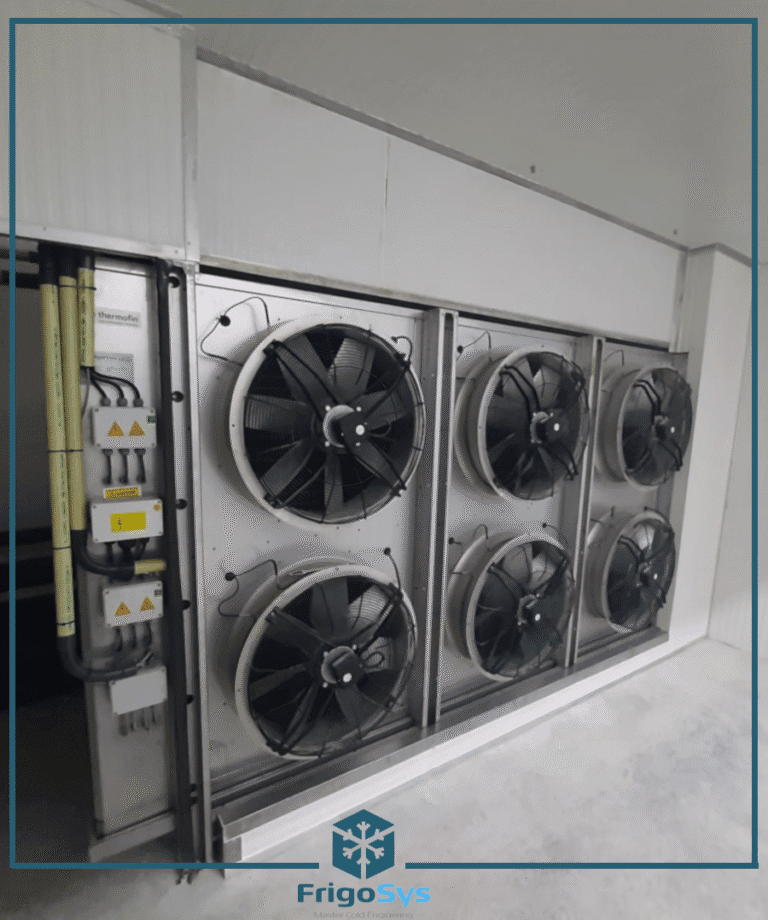

In pharmaceutical logistics, a single hour outside the labeled range can turn a six-figure batch into scrap. There is no cooking it down, no reworking it, no second chance. If a shipment of biologics drifts to 10°C on a loading dock, or a freezer holding varicella vaccine warms overnight because a compressor tripped and nobody got the alarm, the product is gone — and depending on what it was, so is your ability to release it, your inventory position, and possibly your standing with an auditor.
That is the reality every buyer of pharmaceutical cold storage is designing against. This guide walks through what pharmaceutical cold storage actually means in the United States, the temperature tiers you need to know, the regulatory framework that shapes the build, and the engineering details that separate a compliant cold room from an expensive liability. It is written for facilities and supply-chain teams specifying storage at the room or warehouse scale, not clinics shopping for a countertop fridge.
What pharmaceutical cold storage actually covers
The phrase gets used loosely, but in practice it maps to a handful of defined temperature classes. USP General Chapter <659> lays out the storage terminology that drug labels reference, and most US pharmaceutical cold storage decisions come back to these ranges.
| Storage class | Temperature range | Typical products |
| Controlled Room Temperature (CRT) | 20–25°C (68–77°F), brief excursions 15–30°C permitted | Oral solids, many OTC products, some room-temp biologics |
| Refrigerated / “cold” | 2–8°C (36–46°F) | Most vaccines, insulin, monoclonal antibodies, many biologics |
| Frozen | −25°C to −15°C (−13°F to +5°F) | Varicella-containing vaccines, some MMR, select biologics |
| Ultra-low (ULT) | −90°C to −60°C | mRNA vaccines, cell and gene therapies, plasma fractions |
| Cryogenic | Below −150°C (liquid nitrogen) | Cell therapies, stem cells, reproductive tissue |
The 2–8°C band does the heavy lifting for the industry. It is where most vaccines and biologics live, and the CDC’s guidance for immunobiologics sets that same 2°C–8°C window, with the thermostat typically set at the 5°C midpoint to buy margin against excursions on either side. Freezers for products like varicella run colder, generally between −50°C and −15°C, set around −20°C. The ultra-low tier became a mainstream requirement almost overnight during the mRNA vaccine rollout, and it has stayed relevant as cell and gene therapy pipelines have grown.
Knowing which tier you are actually building for is the first decision, and it drives almost everything downstream — insulation thickness, refrigeration horsepower, door type, floor construction, and how much redundancy you can justify.
The US regulatory backdrop for pharmaceutical cold storage
You do not need to memorize the code to buy a cold room well, but you should understand what the framework expects, because it changes the specification.
Finished pharmaceuticals fall under FDA current Good Manufacturing Practice, codified in 21 CFR Part 211. The holding and distribution provisions there require that drug products be stored under conditions that protect their identity, strength, quality, and purity — which in cold-chain terms means documented, controlled, monitored temperature. Alongside that, USP <1079> covers good storage and distribution practices, and the Drug Supply Chain Security Act (DSCSA) governs traceability as product moves through the supply chain. For vaccines specifically, providers in federal programs follow the CDC’s storage and handling requirements, which since 2019 have called for stand-alone, purpose-built refrigeration units with digital data logging rather than household appliances.
The practical takeaway for a buyer is this: pharmaceutical cold storage is not judged only on whether it can hit the setpoint. It is judged on whether you can prove it held the setpoint, continuously, with data an inspector will accept. That proof requirement shapes the whole build.
What makes
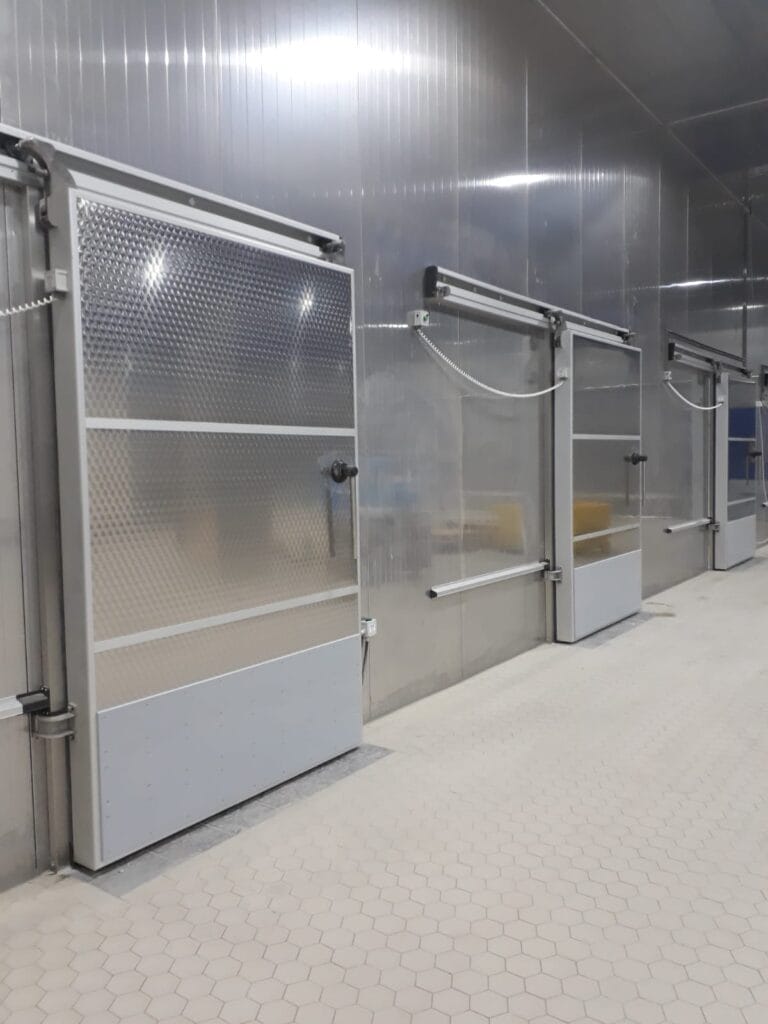
different from food cold storage
On the surface a 2–8°C pharmaceutical room and a 2–8°C produce room look similar. Underneath, they are built to different tolerances, and the gap is where most under-specified projects get into trouble.
Tighter, provable stability. A food cold room can tolerate a few degrees of drift across the day. A pharmaceutical room is designed for uniformity — no warm corners near the door, no cold spot under the evaporator that quietly freezes product. Achieving that takes deliberate airflow design and, critically, it has to be demonstrated through temperature mapping rather than assumed.
Redundancy as standard, not upsell. In food storage, a backup refrigeration circuit is a nice-to-have. In pharmaceutical cold storage it is often the difference between a manageable event and a total loss. Serious rooms run dual or N+1 refrigeration so a single compressor failure does not empty the room, backed by generator or UPS support so a grid outage does not either.
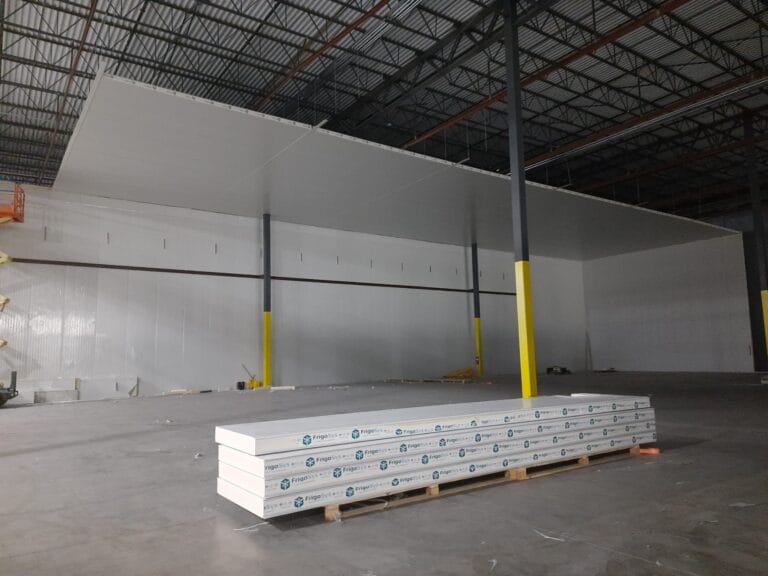
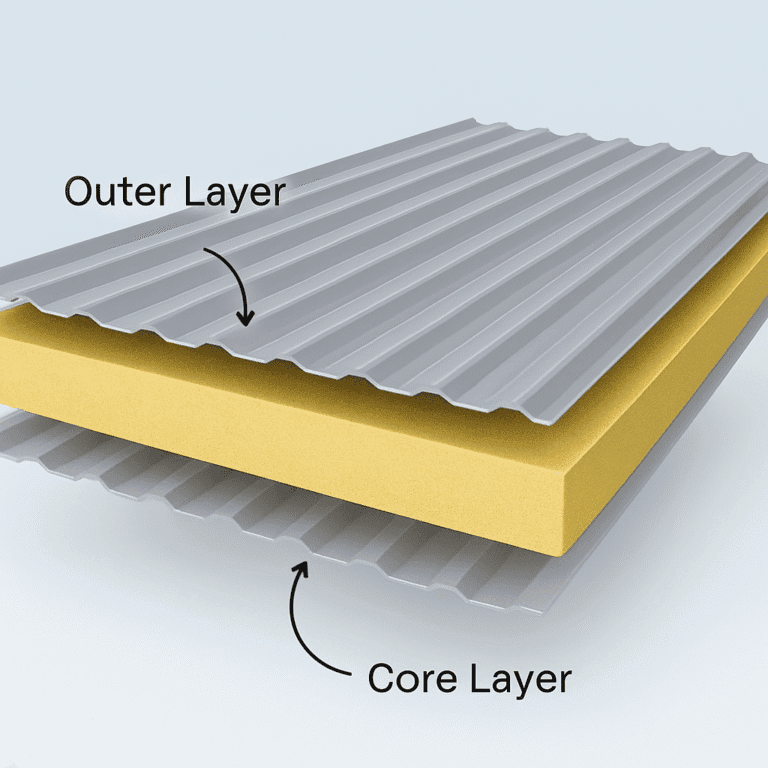
Hygienic construction. Wall-to-floor coving, cleanable non-porous surfaces, and finishes that stand up to sanitization are expected where product is exposed or where the room feeds a GMP area. Good FM Approved PIR sandwich panels also bring a fire-performance and insurability advantage that matters more in a regulated, high-value facility than in a back-of-house cooler.
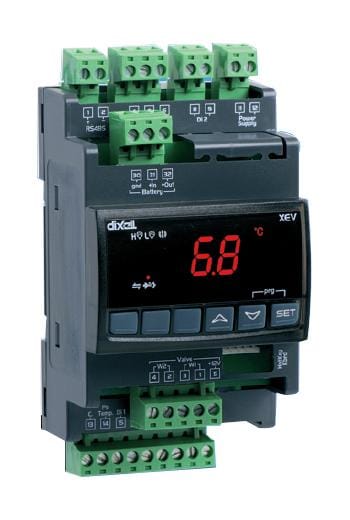
Instrumentation built in. Calibrated, NIST-traceable sensors, continuous logging, and independent alarming are part of the base design, not accessories bolted on later. The cold room controllers and monitoring architecture you choose determine whether you can actually close out a deviation when one happens.
Validation and qualification for pharmaceutical cold storage
This is where pharmaceutical projects diverge hardest from every other kind of cold storage, and where a low bid can hide a large unbudgeted problem.
Before a room stores releasable product, it typically goes through qualification — the familiar IQ/OQ/PQ sequence. Installation qualification confirms the room was built and connected to specification. Operational qualification proves it performs across its operating range, including recovery after a door-open event or a power interruption. Performance qualification demonstrates that it holds conditions over time under realistic loading.
Underlying all of this is temperature mapping: distributing sensors throughout the empty and loaded room to find the real hot and cold spots, usually across summer and winter conditions, so you know the room is uniform and you can place monitoring probes where they actually mean something. Buyers who skip proper mapping tend to discover their worst spot the hard way, during an excursion.
Two concepts worth carrying into any vendor conversation: mean kinetic temperature (MKT), which weights the thermal history of the product rather than treating every minute equally, and excursion handling, the documented procedure for what happens when the room goes out of range. A vendor who talks fluently about both is a vendor who has built regulated storage before.
Monitoring, alarms, and backup power
Continuous monitoring is non-negotiable. That means calibrated sensors logging at a defined interval, data retained for the required period, and alarms that reach a human who can act — not just a light blinking on a panel in an empty warehouse at 2 a.m. The strongest setups layer local audible/visual alarms with remote notification by SMS or email, and they escalate if the first person does not respond.
Backup power deserves the same seriousness. A grid outage should never be a product-loss event for high-value inventory. Depending on scale, that is a standby generator, a UPS bridge to cover the transfer, or both, sized to hold the room through a realistic worst case. The refrigeration itself should fail safe: dual circuits or redundant cooling systems so one failure degrades performance rather than ending it.
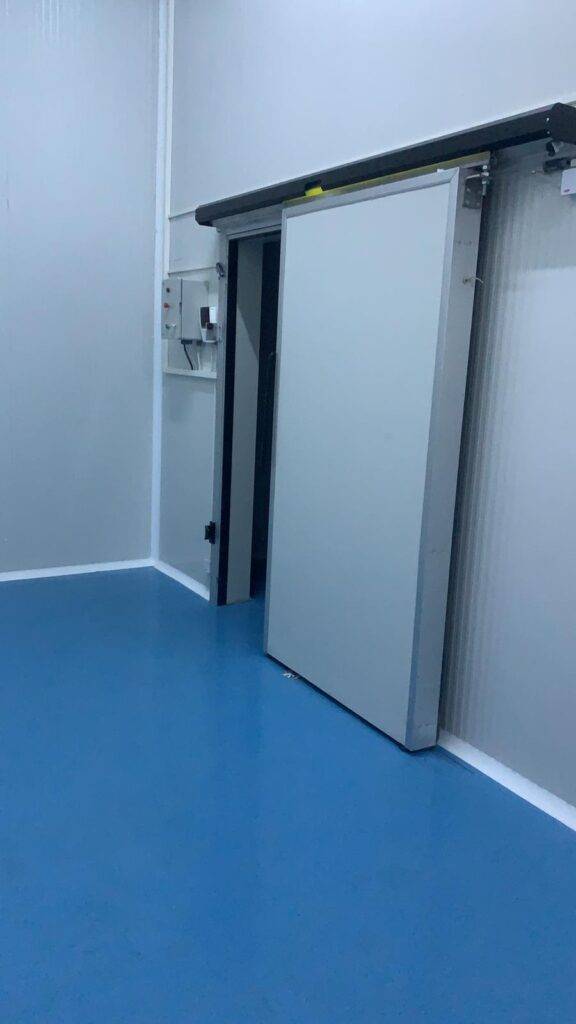
Pharmaceutical cold storage design: build decisions that pay off later
A few choices at specification time quietly determine how the room performs for the next fifteen years.
Insulation should be matched to the tier — thicker cores for freezer and ULT rooms, with continuous vapor barriers to stop moisture migration that erodes performance and rots panels over time. Door strategy matters more than people expect: high-traffic 2–8°C rooms benefit from air curtains or vestibule airlocks to protect the setpoint every time someone walks in, and freezer rooms need heated frames and proper floor treatment to prevent frost heave under the slab. For scalable needs, modular cold rooms let you expand capacity as a pipeline grows without demolishing what you already built — a real advantage in an industry where a product’s commercial success can double your storage needs in a year.
None of this is exotic. It is just the difference between pharmaceutical cold storage engineered for a regulated product and a room that happens to get cold.
Pharmaceutical cold storage: frequently asked questions
What temperature does pharmaceutical cold storage need to maintain?
It depends on the product. The most common requirement is 2–8°C for refrigerated vaccines and biologics. Frozen products sit between roughly −25°C and −15°C, ultra-low storage runs −90°C to −60°C, and some products are labeled for controlled room temperature at 20–25°C. The product label and its stability data are always the governing source.
Do I need a validated cold room, or is monitoring enough?
For product you intend to store and release under GMP, monitoring alone is not sufficient. The room generally needs qualification (IQ/OQ/PQ) and temperature mapping so you can prove uniform, stable conditions. Continuous monitoring then maintains that proof day to day.
How is pharmaceutical cold storage different from a walk-in cooler for food?
Tighter temperature uniformity, redundant refrigeration and backup power as standard, hygienic and cleanable construction, and built-in calibrated monitoring with alarming. The specification is stricter because the failure cost — and the regulatory exposure — is far higher.
Can a Turkey-based manufacturer supply pharmaceutical cold storage for a US facility?
Yes. What matters is whether the room is engineered to US expectations — the right temperature tiers, panels with recognized fire performance, documented qualification support, and monitoring that produces auditor-ready data. Frigo System designs and exports to that standard.
What causes most temperature excursions?
In the field, the usual culprits are single-point refrigeration failure with no backup, power loss without standby generation, door discipline breaking down in high-traffic rooms, and monitoring that alarms locally but never reaches anyone. Good design removes each of these as a single point of failure.
Why buyers choose Frigo System for pharmaceutical cold storage
Frigo System designs, manufactures, and exports industrial cold rooms and refrigeration systems, and we build for regulated storage the way it needs to be built — not by adding compliance as an afterthought, but by engineering for it from the panel up. Our pharmaceutical cold storage rooms are specified around the temperature tier they actually serve, with redundant refrigeration options, backup-power integration, hygienic construction, and monitoring and control architecture that produces the continuous, defensible temperature record a US pharmaceutical facility depends on.
We work at facility scale, from a single 2–8°C room to multi-temperature layouts combining refrigerated, frozen, and ultra-low zones, and we support the documentation side of the project rather than leaving you to solve qualification alone. For teams comparing domestic US suppliers against imported systems, the combination of engineering standard and cost competitiveness is worth a direct conversation. If you are also evaluating storage for the food side of your operation, our guide to cold storage for the US food industry covers that ground.